


A miracle prayer in Islam is not a secret formula. It is a sincere dua made with full certainty that Allah can change anything, at the times and in the way the Prophet ﷺ taught. The Quran shows this again and again: an old man with a barren wife was given a son, a prophet swallowed by a whale was brought out alive, and a man sick for years was healed.
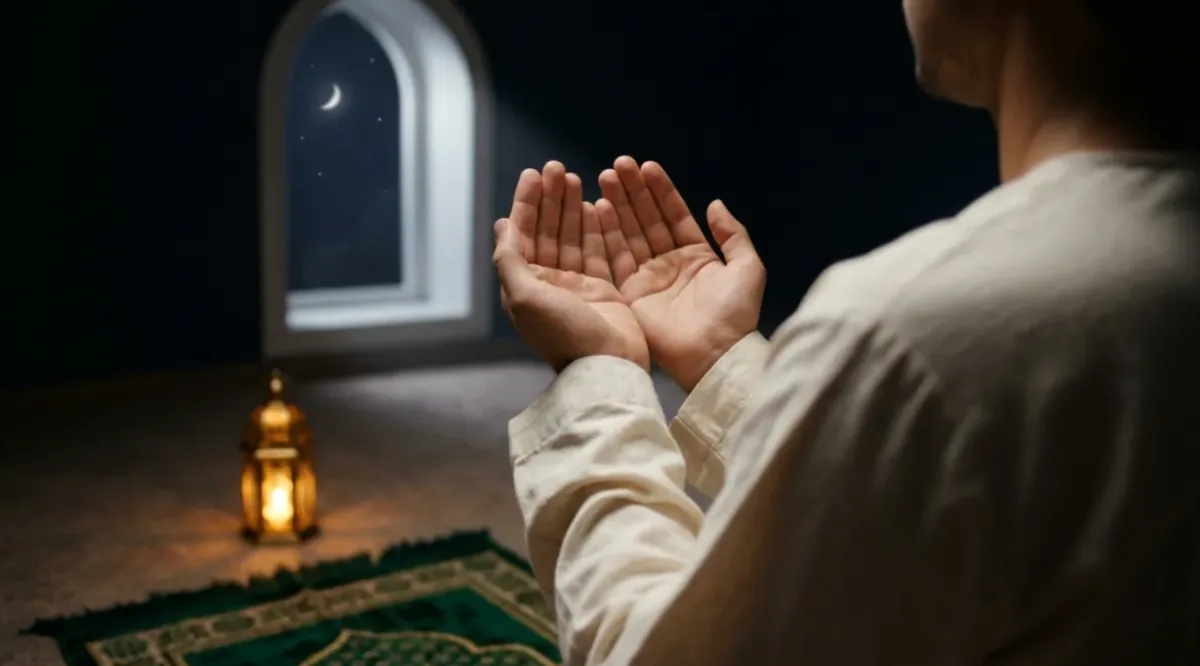
If you are searching for a miracle prayer right now, you are probably facing something that feels impossible. A diagnosis. A debt. A marriage that is breaking. A child you have waited years for.
This guide gives you the exact Quranic duas the prophets used in their own impossible moments, the prayer of need (Salat al-Hajah) step by step, and the times when duas are most likely to be accepted. You will also get an honest answer to two questions most pages avoid: does any prayer work immediately, and is there a 3 o’clock prayer in Islam?
Quick answer: The most powerful miracle prayer in Islam is the dua of Prophet Yunus (AS): La ilaha illa anta, subhanaka, inni kuntu minaz-zalimin. The Prophet ﷺ said no Muslim calls with it for anything except that Allah answers him (Tirmidhi 3505).
What Is a Miracle Prayer in Islam?
In Islam, a “miracle prayer” means a dua (supplication) for something that seems impossible by normal means. There is no special ritual called “the miracle prayer.” What makes a dua powerful is sincerity, certainty in Allah, and using the words and times the Quran and Sunnah teach.
Allah says: “Is He [not best] who responds to the desperate one when he calls upon Him and removes the evil?” (Quran 27:62). The desperate person, the one who has run out of options, is exactly the one Allah promises to hear.
Types of miracles in Islamic belief
Scholars separate miracles into categories. Knowing them clears up a common confusion about what you are allowed to ask for.
| Type | Arabic term | Who receives it | Example |
|---|---|---|---|
| Prophetic miracle | Mu’jiza | Prophets only, to prove prophethood | Splitting of the sea for Musa (AS) |
| Honouring miracle | Karamah | Righteous friends of Allah (awliya) | Maryam (AS) receiving out-of-season fruit |
| Helping miracle | Ma’unah | Any ordinary believer | An “impossible” cure, rescue or relief after dua |
| Deceptive “miracle” | Istidraj | Wrongdoers, as a test | Success that increases someone in arrogance |
When you make a miracle prayer in Islam, you are asking for ma’unah: Allah’s help beyond normal means. That door is open to every Muslim, as SeekersGuidance scholars explain.
Can a Muslim Ask Allah for a Miracle?
Yes. Asking Allah for help in a situation that looks hopeless is not only allowed, it is the core of dua. Zakariyya (AS) asked for a child when he was very old and his wife was barren, and Allah answered (Quran 19:2-9).
What scholars discourage is asking for something that breaks Allah’s fixed laws for no reason, such as asking to become a prophet or to never die. Asking for healing, provision, a child, a spouse, safety or relief is fully within the Sunnah.
Does a Miracle Prayer Work Immediately?
Sometimes, yes. But no prayer in Islam guarantees an instant result, and any website that promises “results in 2 minutes” is not teaching Islam. The Prophet ﷺ explained exactly how every sincere dua is answered.
He said: no Muslim makes a dua that contains no sin and no cutting of family ties except that Allah gives him one of three things (Musnad Ahmad 11133, graded jayyid):
| How Allah answers | What it looks like |
|---|---|
| 1. Granted quickly | You get what you asked for in this life |
| 2. Saved for the Hereafter | The reward is stored for you on the Day of Judgment |
| 3. A harm is turned away | An equal hardship you never saw coming is prevented |
The Companions said, “Then we will make a lot of dua.” He replied that Allah is even more generous.
The one thing that can stop a dua is impatience. The Prophet ﷺ said a person’s dua is answered as long as he does not become hasty and say, “I prayed and prayed but was not answered” (Bukhari 6340, Muslim 2735).
So the real “immediate” part is this: the moment you make a sincere dua, it is already accepted in one of these three ways.
7 Quranic Duas: The Most Powerful Miracle Prayer in Islam for the Impossible
The strongest miracle prayers in Islam are the exact words prophets used when their situation was humanly impossible. Each one below is from the Quran or authentic hadith, and each was followed by a miracle.
Which dua for which need:
| Your situation | Dua to start with |
|---|---|
| Any impossible situation, feeling trapped | 1. Dua of Yunus |
| Illness, long-term pain | 2. Dua of Ayyub |
| Wanting a child | 3. Dua of Zakariyya |
| Job, money, marriage, a new start | 4. Dua of Musa |
| Fear, injustice, enemies | 5. Hasbunallah |
| Overwhelming grief or panic | 6. Dua al-Karb |
| Need help right now | 7. Ya Hayyu Ya Qayyum |
1. Dua of Yunus (AS): the most powerful prayer for a miracle

لَا إِلَٰهَ إِلَّا أَنتَ سُبْحَانَكَ إِنِّي كُنتُ مِنَ الظَّالِمِينَ
La ilaha illa anta, subhanaka, inni kuntu minaz-zalimin.
“There is no god but You. Glory be to You. Truly, I have been of the wrongdoers.” (Quran 21:87)
Yunus (AS) said this in three layers of darkness: the night, the sea and the belly of the whale. Allah says, “So We answered him and saved him from distress. And thus do We save the believers” (21:88). That last line is a promise to you, not only to him.
The Prophet ﷺ said no Muslim uses this dua for anything except that Allah answers him (Tirmidhi 3505). Why it works: it contains tawheed, praise and admission of fault, the three keys of an accepted dua.
2. Dua of Ayyub (AS): miracle prayer for healing
أَنِّي مَسَّنِيَ الضُّرُّ وَأَنتَ أَرْحَمُ الرَّاحِمِينَ
Anni massaniyad-durru wa anta arhamur-rahimin.
“Indeed, adversity has touched me, and You are the Most Merciful of the merciful.” (Quran 21:83)
Ayyub (AS) lost his health, wealth and children and stayed patient for years. Notice he did not complain or give orders. He simply described his pain and named Allah’s mercy. Allah restored his health and gave back his family and more (21:84).
If you are praying for someone who is unwell, you can also send them these get well soon blessings and prayers alongside your dua.
3. Dua of Zakariyya (AS): miracle prayer for a child
رَبِّ لَا تَذَرْنِي فَرْدًا وَأَنتَ خَيْرُ الْوَارِثِينَ
Rabbi la tadharni fardan wa anta khayrul-warithin.
“My Lord, do not leave me alone [without heir], while You are the best of inheritors.” (Quran 21:89)
Zakariyya (AS) was very old and his wife was barren. He was inspired after seeing Allah provide for Maryam (AS) without any means (3:37-38), and he was given Yahya (AS).
Couples struggling with infertility often recite this along with medical treatment, which Islam encourages. When the blessing arrives, these newborn baby blessings and duas are a beautiful way to give thanks.
4. Dua of Musa (AS): miracle prayer for provision, job and marriage
رَبِّ إِنِّي لِمَا أَنزَلْتَ إِلَيَّ مِنْ خَيْرٍ فَقِيرٌ
Rabbi inni lima anzalta ilayya min khayrin faqir.
“My Lord, indeed I am, for whatever good You would send down to me, in need.” (Quran 28:24)
Musa (AS) said this as a refugee: no home, no job, no family, sitting under a tree. Within hours he had shelter, work and later a wife (28:25-27). It is one of the shortest and most complete duas for a fresh start, and pairs well with these new job blessings and prayers.
5. Hasbunallah: miracle prayer against fear and injustice
حَسْبُنَا اللَّهُ وَنِعْمَ الْوَكِيلُ
Hasbunallahu wa ni’mal-wakil.
“Allah is sufficient for us, and He is the best Disposer of affairs.” (Quran 3:173)
Ibn Abbas reported that Ibrahim (AS) said this when he was thrown into the fire, and the fire became cool and safe for him (Bukhari 4563; Quran 21:69). The Prophet ﷺ and his companions said it when told a huge army was gathering against them.
6. Dua al-Karb: the prayer for overwhelming distress
لَا إِلَٰهَ إِلَّا اللَّهُ الْعَظِيمُ الْحَلِيمُ، لَا إِلَٰهَ إِلَّا اللَّهُ رَبُّ الْعَرْشِ الْعَظِيمِ، لَا إِلَٰهَ إِلَّا اللَّهُ رَبُّ السَّمَاوَاتِ وَرَبُّ الْأَرْضِ وَرَبُّ الْعَرْشِ الْكَرِيمِ
La ilaha illallahul-’Azimul-Halim. La ilaha illallahu Rabbul-’Arshil-’Azim. La ilaha illallahu Rabbus-samawati wa Rabbul-ardi wa Rabbul-’Arshil-Karim.
“There is no god but Allah, the Mighty, the Forbearing. There is no god but Allah, Lord of the Mighty Throne. There is no god but Allah, Lord of the heavens, Lord of the earth and Lord of the Noble Throne.”
The Prophet ﷺ used to say this at times of distress (Bukhari 6346, Muslim 2730).
7. Ya Hayyu Ya Qayyum: the emergency dua
يَا حَيُّ يَا قَيُّومُ بِرَحْمَتِكَ أَسْتَغِيثُ
Ya Hayyu ya Qayyum, bi rahmatika astaghith.
“O Ever-Living, O Sustainer of all, by Your mercy I seek help.”
Anas (RA) reported that whenever something distressed the Prophet ﷺ, he would say this (Tirmidhi 3524). It is short enough to repeat in a hospital corridor, a court room or on the way to an interview.
Pattern to notice: none of these duas demand a result. They praise Allah, admit weakness and leave the outcome to His mercy. That posture, not the exact count of repetitions, is what the Quran links to the miracle.
Salat al-Hajah: The Prayer of Need, Step by Step
Salat al-Hajah is a two-rak’ah voluntary prayer followed by a specific dua for a need. It is the closest thing to a structured miracle prayer in Islam. Allah tells us to “seek help through patience and prayer” (Quran 2:45), and this is that command put into practice.
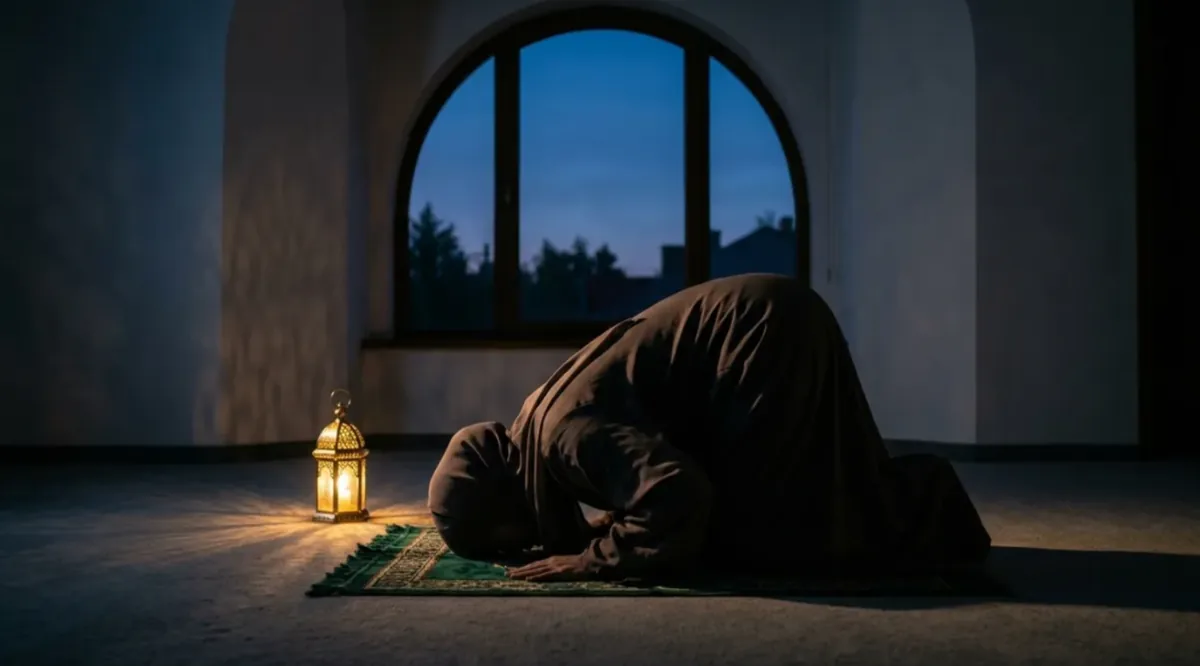
How to perform Salat al-Hajah
- Make wudu carefully. The narration says to perform it well, not rushed.
- Choose a permitted time. Avoid the three forbidden windows: sunrise, exact midday, and from after Asr until sunset. The last third of the night is the best time.
- Pray two rak’ahs like any nafl prayer, with the intention of Salat al-Hajah. Any surahs after Al-Fatiha are fine.
- Praise Allah after salam, in your own words or with Alhamdulillah, SubhanAllah, Allahu Akbar.
- Send salawat on the Prophet ﷺ, such as the Durood Ibrahim.
- Recite the Hajah dua (below).
- Ask for your need clearly, in any language, with certainty.
The dua of need (Tirmidhi 479):
لَا إِلَهَ إِلَّا اللَّهُ الْحَلِيمُ الْكَرِيمُ، سُبْحَانَ اللَّهِ رَبِّ الْعَرْشِ الْعَظِيمِ، الْحَمْدُ لِلَّهِ رَبِّ الْعَالَمِينَ، أَسْأَلُكَ مُوجِبَاتِ رَحْمَتِكَ، وَعَزَائِمَ مَغْفِرَتِكَ، وَالْغَنِيمَةَ مِنْ كُلِّ بِرٍّ، وَالسَّلَامَةَ مِنْ كُلِّ إِثْمٍ، لَا تَدَعْ لِي ذَنْبًا إِلَّا غَفَرْتَهُ، وَلَا هَمًّا إِلَّا فَرَّجْتَهُ، وَلَا حَاجَةً هِيَ لَكَ رِضًا إِلَّا قَضَيْتَهَا يَا أَرْحَمَ الرَّاحِمِينَ
La ilaha illallahul-Halimul-Karim. Subhanallahi Rabbil-’Arshil-’Azim. Alhamdu lillahi Rabbil-’alamin. As’aluka mujibati rahmatik, wa ’aza’ima maghfiratik, wal-ghanimata min kulli birr, was-salamata min kulli ithm. La tada’ li dhamban illa ghafartah, wa la hamman illa farrajtah, wa la hajatan hiya laka ridan illa qadaytaha, ya Arhamar-rahimin.
“There is no god but Allah, the Forbearing, the Generous. Glory be to Allah, Lord of the Mighty Throne. All praise is for Allah, Lord of the worlds. I ask You for what brings Your mercy, Your firm forgiveness, a share of every good and safety from every sin. Leave no sin of mine unforgiven, no worry unrelieved, and no need that pleases You unfulfilled, O Most Merciful of the merciful.”
Is Salat al-Hajah authentic? An honest note
Scholars differ on this narration, and you deserve to know both views:
| View | Scholars | Position |
|---|---|---|
| Practicable | Imam Tirmidhi (graded it gharib), Darul Uloom Deoband and many Hanafi scholars | Weakness is mild; fine to act on for virtuous deeds |
| Weak | Shaykh al-Albani and others | Chain is very weak; do not attribute a fixed method to the Prophet ﷺ (IslamQA 70295) |
The safe middle path: both sides agree that praying any two voluntary rak’ahs and then making dua for your need is permitted and good. If you are unsure, pray two nafl rak’ahs, praise Allah, send salawat and ask. You lose nothing either way.
The 3 O’Clock Miracle Prayer Explained: Islam vs Christianity
The famous “3 o’clock prayer” is a Catholic Christian devotion, not an Islamic one. Islam has no prayer fixed to 3:00 on the clock. But 3 AM often falls inside the most blessed time for dua in Islam, and 3 PM often falls near Asr, so the search makes sense for Muslims too.
What is the 3 o’clock prayer (English)?
In Catholic tradition, 3 PM is called the “Hour of Mercy” because Christians believe it was the hour of Jesus’ death on the cross. The devotion comes from the diary of Saint Faustina Kowalska, a Polish nun in the 1930s.
At 3 PM, Catholics recite a short mercy prayer and often the Chaplet of Divine Mercy. If you are a Christian reader looking for the official English text, the Marian Fathers’ Divine Mercy site publishes it in full. This guide focuses on the Islamic practice.
Is there a 3 o’clock prayer in Islam?
No. There is no Sunnah prayer named for 3 o’clock, and Muslims do not adopt the Divine Mercy devotion because it is directed to Jesus, while in Islam all worship is for Allah alone. However, two Islamic “miracle hours” often overlap with 3 o’clock:

| Clock time | Islamic meaning | What to do |
|---|---|---|
| Around 3 AM | Usually inside the last third of the night, when Allah descends to the lowest heaven and asks, “Who is calling Me, that I may answer him?” (Bukhari 1145, Muslim 758) | Pray Tahajjud, then make your miracle dua |
| Around 3 PM | Often near the start of Asr (depends on season, city and madhhab) | Pray Asr on time; on Fridays, stay in dua until Maghrib |
| Friday, last hour before Maghrib | The hour of Jumu’ah when dua is not rejected; seek it in the last hour after Asr (Abu Dawud 1048, IslamQA 82609) | Sit with dhikr and dua until sunset |
How to find the real “3 AM” for your city
The last third of the night is not a fixed clock time. Calculate it from your local prayer times:
- Note tonight’s Maghrib time and tomorrow’s Fajr time.
- Find the length of the night: Fajr minus Maghrib.
- Divide by 3. The last third starts that much time before Fajr.
Example: Maghrib at 6:00 PM and Fajr at 5:00 AM gives an 11-hour night. One third is 3 hours 40 minutes, so the last third starts at 1:20 AM. In that case, 3 AM is right in the middle of the most blessed window.
Before you sleep, recite the Islamic dua before sleeping with the intention of waking for Tahajjud.
Can Muslims pray at 3 PM?
Yes, if it is not inside a forbidden time. Voluntary prayer is disliked from after you have prayed Asr until sunset. So if Asr in your city starts before 3 PM and you have already prayed it, use that time for dua and dhikr instead of nafl prayer. Dua itself is allowed at any time.
Best Times to Make a Miracle Prayer in Islam
Timing does not force Allah’s hand, but the Prophet ﷺ named specific moments when duas are most likely to be accepted. Stack your miracle prayer on these.
| Time or state | Source |
|---|---|
| Last third of the night | Bukhari 1145, Muslim 758 |
| In sujood (prostration) | “The closest a servant is to his Lord is in prostration” (Muslim 482) |
| Between adhan and iqamah | Abu Dawud 521, Tirmidhi 212 |
| Last hour of Friday, before Maghrib | Abu Dawud 1048 (see our Jumma Mubarak wishes) |
| While fasting, until iftar | Tirmidhi 3598 |
| As a traveller, an oppressed person, or a parent praying for a child | Abu Dawud 1536 |
| When praying for someone else in their absence (an angel says “and for you the same”) | Muslim 2733 |
| Laylat al-Qadr in the last ten nights of Ramadan | Quran 97:3 |
A 7-Day Miracle Dua Plan
The Sunnah sets no fixed “7-day” or “3-day” miracle ritual, so treat this as a practical routine, not a formula. It simply puts the authentic duas and times above into a week you can actually follow.

| Day | Main action | Add-on |
|---|---|---|
| 1 | Sincere tawbah: list your sins and ask forgiveness | Clear any debt or wrong you can fix today |
| 2 | Pray 2 rak’ahs of Tahajjud, then the Dua of Yunus in sujood and after salam | Istighfar through the day (Quran 71:10-12 links it to rain, wealth and children) |
| 3 | Give sadaqah, even a small amount, with the intention of relief | Make dua for someone else with the same need |
| 4 | Salat al-Hajah (or 2 nafl rak’ahs) followed by your need | Recite the dua that matches your situation from the table above |
| 5 | Fast the day if you can; make dua before iftar | Ya Hayyu Ya Qayyum throughout |
| 6 | Ask your parents to make dua for you | Read Surah Al-Kahf if it is Thursday night or Friday |
| 7 | Friday: dua between the khutbah and salah, then from Asr to Maghrib | Thank Allah for what you already have; continue the routine |
There is no required count for repeating a dua. Pick a number you can keep daily, such as 100 times for the Dua of Yunus, because consistency matters more than a large number done once.
What Blocks a Miracle Prayer From Being Accepted?
Sometimes the problem is not the prayer but what surrounds it. The hadith name these barriers clearly:
- Haram income. The Prophet ﷺ described a dishevelled traveller raising his hands to the sky, but his food, drink and clothing were from haram, and asked how he could be answered (Muslim 1015).
- Impatience. Saying “I prayed and nothing happened” and then stopping (Bukhari 6340).
- Asking for sin or to cut family ties. These are excluded from the promise of acceptance (Musnad Ahmad 11133).
- Abandoning obligations. Making long duas at 3 AM while missing the five daily prayers sends a mixed message.
- Doubt. Praying “maybe, if it’s possible” instead of asking with yaqeen (certainty) that Allah can do it.
Red Flags: How to Spot Fake “Miracle Wazifa” Sellers
People in desperate situations are easy targets. Be careful with anyone online or offline who:
- Promises a guaranteed result in “3 days”, “24 hours” or “2 minutes”.
- Charges money for a “special” wazifa, taweez or number that is not in the Quran or Sunnah.
- Asks for your mother’s name, photos, hair or personal items of another person.
- Offers to bring back a lover, control someone’s mind or harm an enemy. That is sihr (magic), which Islam strictly forbids.
- Tells you to stop seeing your doctor because the dua “will be enough”.
Authentic ruqyah and dua are free, public and found in the Quran and hadith. You never need a middleman between you and Allah.
When the Miracle Doesn’t Come (Yet)
A delayed answer is not a rejected dua. Yaqub (AS) waited many years to see Yusuf (AS) again, and Ayyub (AS) was ill for years before he was healed. Both kept making dua.
If you have prayed for a long time, remember the three ways every dua is answered. You may be receiving protection from a harm you cannot see, or a reward you will be glad of in the Hereafter.
Keep the dua going, keep taking the practical steps (treatment, applications, counselling), and trust that Allah’s choice for you is better than your own plan (Quran 2:216).
Important: If your situation involves serious illness, mental distress or danger, make dua and get professional help. Seeking treatment is part of tawakkul, not a lack of faith. The Prophet ﷺ said, “Make use of medical treatment, for Allah has not made a disease without appointing a remedy for it” (Abu Dawud 3855).
Frequently Asked Questions
What is the most powerful miracle prayer in Islam?
The Dua of Yunus (AS), La ilaha illa anta subhanaka inni kuntu minaz-zalimin (Quran 21:87), is widely considered the most powerful miracle prayer in Islam. The Prophet ﷺ said no Muslim calls upon Allah with it for anything except that Allah answers him (Tirmidhi 3505). Recite it in sujood or after Tahajjud with full certainty.
Is there a miracle prayer that works immediately?
No authentic Islamic prayer guarantees an instant result. Every sincere dua is answered in one of three ways: it is granted, saved as reward for the Hereafter, or an equal harm is averted (Musnad Ahmad 11133). Sometimes Allah grants it immediately, but pages promising results “in 2 minutes” are not based on the Quran or Sunnah.
What is the 3 o’clock prayer in Islam?
Islam has no prayer called the 3 o’clock prayer. That devotion is Catholic (the Divine Mercy Hour at 3 PM). For Muslims, 3 AM often falls in the last third of the night, the best time for Tahajjud and dua, and 3 PM is often near Asr time, when Friday’s hour of acceptance is sought.
Can I pray Tahajjud at 3 AM?
Yes. Tahajjud can be prayed any time after Isha until Fajr, and the last third of the night is best. In many cities 3 AM falls in that window. Pray at least two rak’ahs, then make your dua, ideally in sujood and after salam, with certainty that Allah hears you.
What is a miracle prayer for the impossible in Islam?
For a specific impossible need, use the prophet’s dua that matches it: Ayyub’s for illness (21:83), Zakariyya’s for children (21:89), Musa’s for provision or a new start (28:24), and Yunus’s for any hopeless situation (21:87). Add Salat al-Hajah and make the dua in the last third of the night.
How many times should I recite a miracle dua?
The Sunnah gives no fixed number for these duas. Choose a count you can keep every day, such as 100, and stay consistent. The Prophet ﷺ liked repeating a dua three times, and persistence over days and weeks matters far more than a large one-time count.
Can I make dua in Urdu or English?
Yes. You can ask Allah in any language outside the obligatory parts of salah. Reciting the Quranic Arabic duas carries extra blessing, but explaining your need in your own words is completely valid and is often more heartfelt and sincere.
Is Salat al-Hajah sunnah or bid’ah?
Scholars differ on the narration in Tirmidhi 479. Many, including Darul Uloom Deoband, consider it practicable for virtuous deeds; others, like Shaykh al-Albani, consider it very weak. All agree that praying two voluntary rak’ahs and then asking Allah for your need is permitted and good.
Conclusion: Your Miracle Starts With One Sincere Dua
The real miracle prayer in Islam is not a secret code. It is the prophets’ own words, said at the right time, with a clean heart and complete trust in Allah. Yunus was answered from the belly of a whale. Ayyub was healed after years. Zakariyya held a son in old age. The same Lord hears you tonight.
Start tonight: wake up in the last third of the night, pray two rak’ahs and say the Dua of Yunus in your sujood. Then keep going, without counting the days. Next, read our Islamic good night duas and blessings so your night routine is ready, and share this guide with someone who is waiting for their own miracle.
Last reviewed: October 22, 2026. This guide is based on the Quran and hadith collections cited above. For a personal ruling, please consult a qualified scholar.
